Black Friday sale on now
Limited time:
50% off* select plans
Hide offer

Air ducts sweat for the same reason a cold glass of water does on a humid day: warm, moist air hits a cool surface and condensation forms. It's usually a sign of high indoor humidity, poor duct insulation, or restricted airflow.
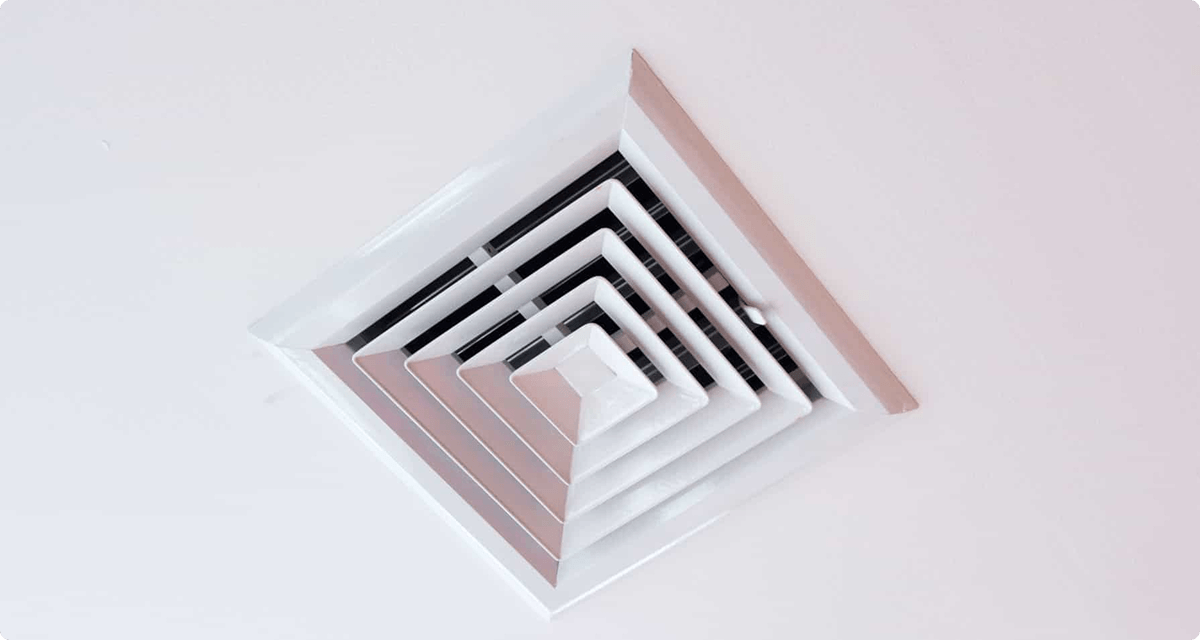
Summer is the time of year when your air conditioning unit has to work the hardest to cool your home. On hot days, you may notice water droplets forming on your visible air ducts and wonder whether this is normal. What you see is condensation on your air vents, also known as ductwork sweating. It does not necessarily mean that your AC system is in trouble, but it may still be.
Table of contents
Is it normal to have condensation in air vents?
When air conditioning ducts sweating are a problem
Why is water dripping from my AC vents? Common causes
How do I stop my AC duct from leaking water?
As the humidity level rises outdoors, condensation will gradually begin to form on the surface of your air conditioning ducts as the warm, humid air comes in contact with the cold surface. The colder the air is inside the duct, the greater the chance of your air ducts sweating. It’s a natural process, and similar to the way a chilled soda begins to sweat once you take it out of the refrigerator on a hot day.
However, ductwork sweating can also be caused — or exacerbated — by the following factors:
In some cases, duct condensation can be a sign of a duct leaking air, which reduces your AC unit's efficiency. If you own an older home or your ductwork is not properly maintained, air duct sweating is more likely to become an issue as both the temperature and humidity levels rise.
Explore how our home warranty plans can help keep your A/C in working order all season long.
It depends. Some condensation on AC ducts is normal — it can happen when indoor humidity spikes on hot days, or briefly when your system first kicks on. The issue is when it becomes a pattern. Persistent sweating usually means the air around your ducts is consistently hitting its dew point, which is where temperature and humidity intersect.
The chart below shows how temperature and humidity work together to trigger condensation on your air vents. The chart below assumes a dew point of 55°F, which is typical for a humid summer day. At a normal indoor temperature of 75°F, your ducts can start sweating once humidity crosses 50%. The warmer your home, the less humidity it takes to get there.
| At what humidity do air ducts start to sweat? | |
| Temperature | Relative Humidity |
| 68°F | 63% |
| 72°F | 55% |
| 75°F | 50% |
| 78°F | 45% |
| 80°F | 42% |
A little condensation is one thing. These are signs it's crossed the line:
With the HVAC Upgrade Program, available to AHS members, an independent Pro* will see your upgrade through from free, at-home assessment to installation. Plus, leverage our national buying power to save thousands** on your new system.
*HVAC system upgrades are offered by Frontdoor Pro and performed by a Frontdoor Pro independent service contractor. For Frontdoor Pro license numbers, please visit Frontdoor Pro Licensing Information. Service may not be available in all areas. **Pricing and amount of savings will vary based on location and equipment availability. Not available in all areas.

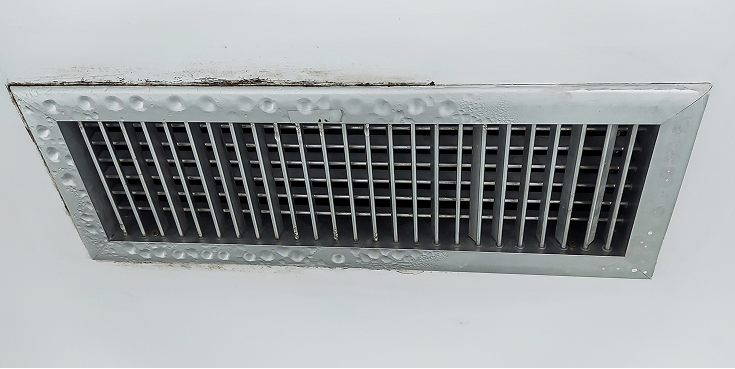
Sweating air conditioning ducts are usually a symptom of something your system isn't handling well. Here are the most common reasons it happens:
Most duct condensation problems are fixable without a major overhaul. Start with the basics of AC cleaning and maintenance and work your way up:
A clogged filter restricts airflow and makes ducts run colder than they should. Replace filters every one to three months. You may need to replace them even more often if you have pets or anyone in your home has allergies.
Run bathroom and kitchen fans during and after use, and keep ducts spaced apart so air can flow between them. If your ducts run through a crawl space, cover the soil to cut down on moisture. In consistently humid climates, a dehumidifier can make a real difference.
Flexible, fiberglass-insulated duct materials hold up better against condensation than bare metal. If you have metal ducts, make sure they're wrapped in fiberglass insulation. Just don't wrap it too tightly, as this can reduce its effectiveness.
If your ducts run through an attic, make sure the space is properly insulated and any cracks or holes are sealed. Warm air sneaking in from outside is one of the harder condensation problems to diagnose on your own.
A blocked drain line causes moisture to back up into the system. Check the pan for standing water and clear the line if it's clogged.
Furniture, rugs, and closed registers restrict airflow and cause cold air to pool in the ducts. Trapped air can build pressure in your ducts, potentially ripping apart seals and causing leaks. It could also lead to your blower motor overheating due to the pressure, or increased utility bills. To avoid these problems, make sure all vents are open and unobstructed.
The more cold air that escapes, the more condensation forms on your air vents. You can check for leaks by running your hand along the ductwork and feeling for escaping air, or by using a pressure gauge.

Some air conditioning duct sweating problems respond well to DIY fixes. But if you've worked through the basics and the issue persists, it's time to call in an HVAC Pro. Here are the signs it's gone beyond a filter change or a drain line flush:
Diagnosing duct problems isn't always straightforward, and repairs can add up fast. While a sweating duct could be a simple fix, there’s also a chance it means your system needs real attention. Either way, you don’t need to feel on your own as you look for a solution — or as you foot an unexpected repair bill.
American Home Shield® plans cover key components of your AC system, no matter the age. If we can't fix a covered item, we'll replace it, subject to your home warranty plan’s limitations and exclusions. And, enjoy seasonal HVAC tune-ups to make sure that your system is in tip-top shape before you enter the summer season. Our network of qualified, independent HVAC Pros is ready to diagnose the problem and get your system running the way it should, so you can stop worrying about water dripping from your AC vents and get back to staying cool.
AHS assumes no responsibility, and specifically disclaims all liability, for your use of any and all information contained herein.
The difference usually comes down to where the water seemingly leaking from your AC vents is coming from. Condensation forms on the outside of ducts and vents when warm, humid air meets a cool surface. A refrigerant or drain line leak, on the other hand, originates inside the unit itself and tends to produce more water in a concentrated spot. If you're seeing dripping near the air handler or pooling water around the indoor unit, that's more likely a leak worth investigating.
For minor condensation, yes, but keep an eye on it. If the moisture is coming from an actual leak, running the system can make things worse. A refrigerant leak in particular can reduce cooling efficiency, drive up your energy bill, and cause long-term damage to the compressor. If you're not sure what you're dealing with, it's better to have a Pro take a look before running the system for extended periods.
Every one to three months is the general rule, but your home's specific conditions matter. Homes with pets, allergy sufferers, or high dust levels may need more frequent changes. A quick visual check once a month takes seconds and can save you from a bigger problem down the road. A clogged filter is one of the most common and most preventable causes of condensation on your air vents.