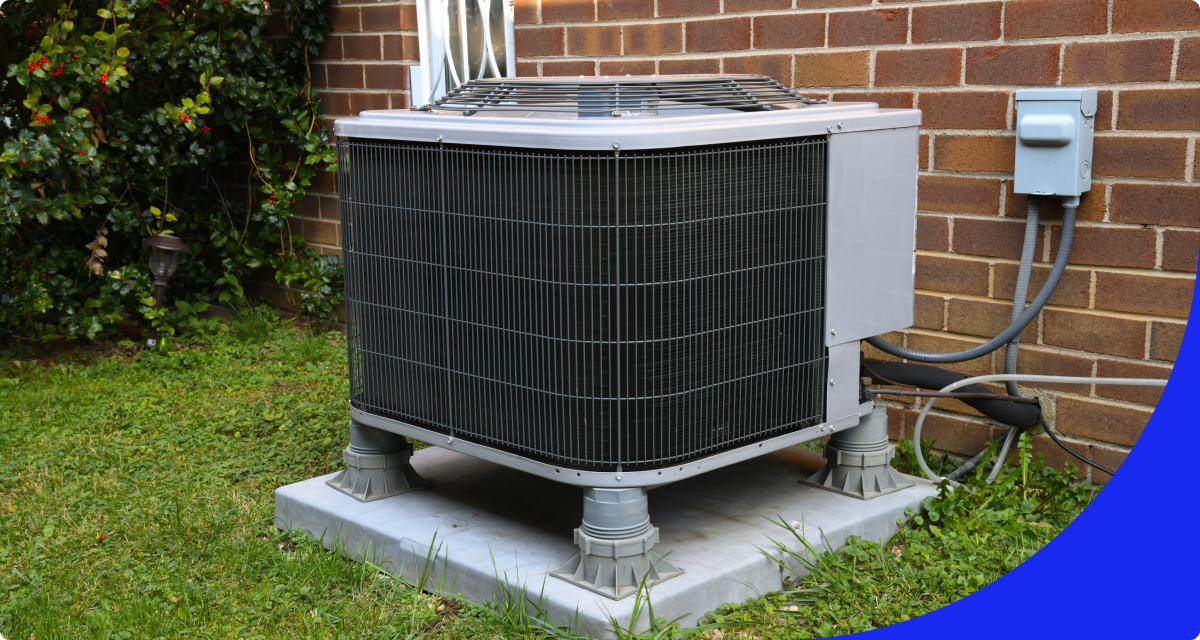
Beat the heat with a brand new HVAC
Chill out with big savings when you replace your system through our New HVAC Program, exclusively available to AHS members.

To buy a new AC unit, you’ll need to evaluate your home’s size, energy efficiency goals, and budget — then choose the system type that delivers the right balance of performance and cost.
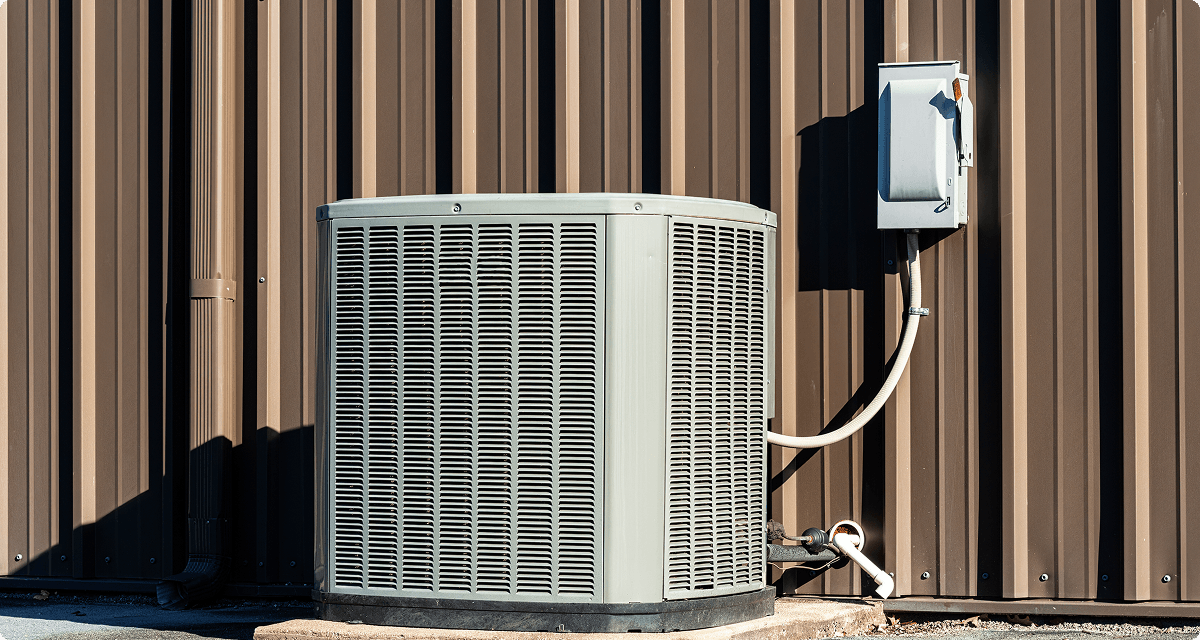
Anyone who’s experienced an AC-less summer knows that adding an air conditioning system to a home brings more than relief—it reshapes what comfort can feel like. Whether you’re dealing with issues in your current system and considering an upgrade, or searching for a completely new solution for your home, buying an air conditioner can make a simple problem (“it’s too hot”) feel surprisingly complicated.
We’ve created this practical guide to how to buy a new HVAC system, walking through the most common questions and pitfalls so you can choose the best AC system for your house with confidence.
In this article:
At its best, your AC runs so smoothly you barely notice it. But when problems start stacking up, or your system suddenly shuts down on a hot day, it’s fair to ask if repair is enough.
Most AC systems last an average of 16 years.* If your unit is near the end of its lifespan, and you’re seeing any of the following signs, replacement may be a smarter move:
Learn more about when to replace your air conditioner
*This lifespan is an average estimate based on industry and government sources. Actual AC lifespan can vary depending on factors like maintenance, usage patterns, climate, installation quality, and system type.
How to buy a new HVAC system? The first step is using the opportunity to make thoughtful improvements over your previous setup. Your new AC unit should match your home, your climate, and your long-term budget, helping you stay comfortable without feeling like you overspent.
One of the first things to consider is your home’s size. Air conditioners are rated in BTUs (British Thermal Units), which measure how much heat a system can remove from your space. If a unit is too large or too small, it can lead to high energy bills, excess humidity, constant cycling, or rooms that never quite feel cool.
For central air systems, size is often discussed in tons, not just BTUs. One ton equals 12,000 BTUs. A quick rule of thumb is to estimate about 20 BTUs per square foot of living space.1 (Example: 2,000 square feet × 20 BTUs = 40,000 BTUs, or roughly a 3–3.5 ton system.)
Keep in mind: insulation, ceiling height, sun exposure, and climate also affect sizing, so a licensed HVAC professional should confirm the final calculation.
Here’s a simple starting point for estimating BTU needs based on square footage (not adjusted for region or layout):
| Square Footage | Estimated BTUs | Approximate Tons |
| 150-350 sq ft | 3,000-7,000 BTUs | — (window/portable units) |
| 350–550 sq ft | 7,000–11,000 BTUs | — |
| 550–1,000 sq ft | 11,000–20,000 BTUs | 1–1.5 tons |
| 1,000–1,400 sq ft | 20,000–28,000 BTUs | 1.5–2.5 tons |
| 1,500–2,000 sq ft | 30,000–40,000 BTUs | 2.5–3.5 tons |
| 2,000–2,500 sq ft | 40,000–50,000 BTUs | 3.5–4 tons |
| 2,500+ sq ft | 50,000+ BTUs | 4+ tons (or multiple systems) |
Once you’ve determined the right size, consider whether your home’s layout or structure limits your options. Are you replacing an existing system? Installing AC for the first time? Adding new rooms? These factors can influence the type of system you can realistically install.
For example, some apartment and condo complexes do not allow AC units that can be seen from the outside or require structural modifications. And, if you live in an older house, you may not be able to upgrade to a ducted air conditioner system without damaging the home’s existing structure. In those cases, you might want to look at alternatives like ductless mini-split systems.
Modern AC units offer a lot more features beyond just cooling. Think about how much control you want over your comfort and what matters most to you—whether that’s quieter operation, better air quality, or energy savings. Here are a few features to consider when determining the best AC unit for your house:
The bottom line? The best AC system for your house is the one that meets your needs.
Brand reputation matters, especially for a system you’ll rely on for more than a decade. Some widely recognized AC brands known for their performance and durability include Carrier, Goodman, GE Appliances, Lennox, Trane, RunTru, Payne, Bryant, and GrandAire. Before choosing a brand, compare costs, efficiency ratings (SEER2), and customer reviews.
The best AC units for your house depends on your space, your budget, and how much cooling power you need. Here’s a quick overview of the most common types, how they work, and who they tend to work best for.
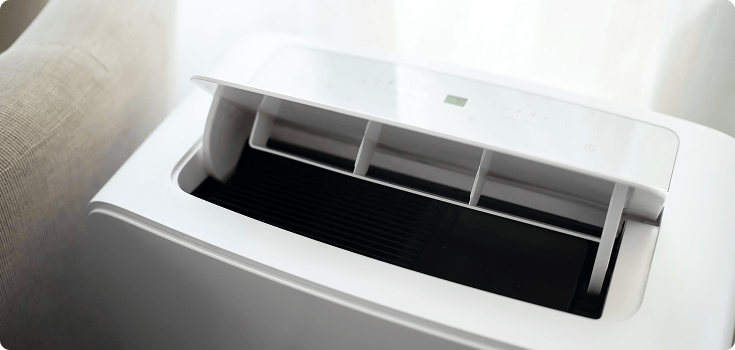
Portable AC units are self-contained floor units with wheels, making them a flexible way to cool different areas of your home. All you need is a room with a double-hung or sliding window. Attach the hose and window adapter, plug in the unit, and it vents warm air outside while cooling the room.
These units typically cool spaces up to about 400 square feet, though coverage varies by model. In milder months, many can also function as a fan.
Small homes, apartments, accessory dwelling units (ADUs), guest houses, or cooling a single room without permanent installation.
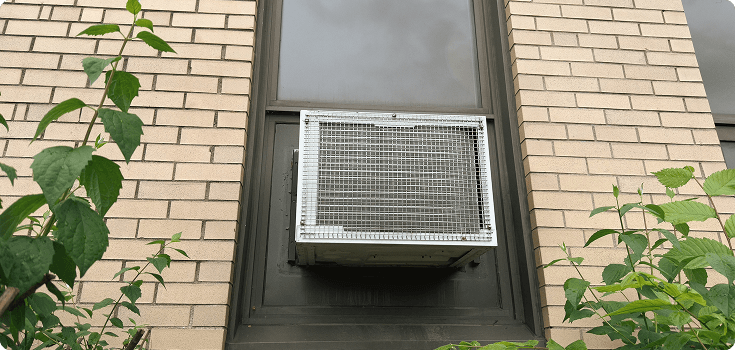
A window AC unit is a single, self-contained system installed directly into a window opening. It removes heat and humidity by pulling in room air, cooling it through refrigerant coils, and recirculating it back into the space. It’s similar to a portable unit but sits in the window frame and does not require floor space.
Cooling individual rooms, small spaces, rental properties, or homeowners looking for a lower upfront cost solution.
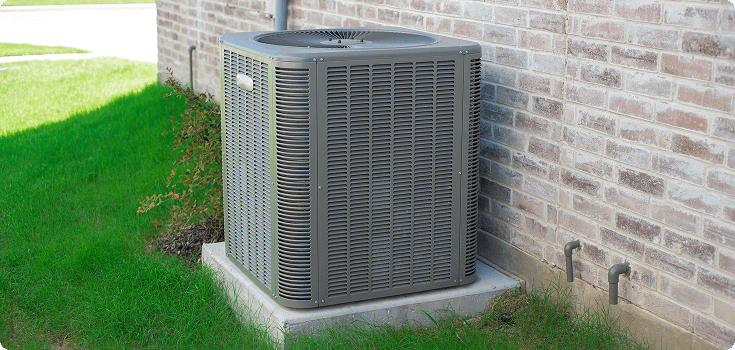
Central air conditioning systems move cooled air through supply-and-return ductwork throughout the home. There are two main types:
In a split system, copper tubing carries refrigerant between the indoor and outdoor units. These systems are designed to cool an entire home evenly and efficiently.
Medium to large homes with existing ductwork, homeowners looking for whole-home cooling and consistent temperature control.
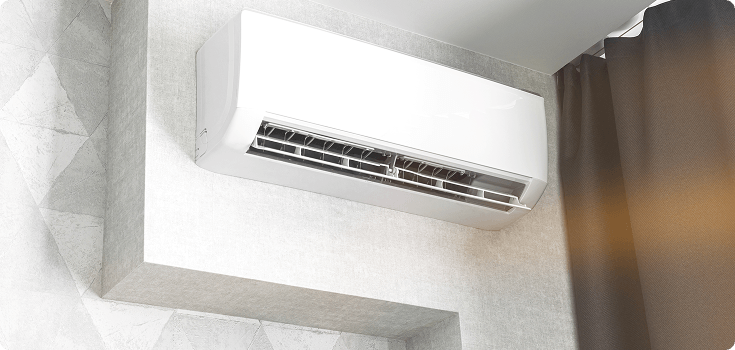
Ductless mini-split systems use an outdoor compressor connected to one or more wall-mounted indoor air handlers, without requiring ductwork. Each indoor unit cools a specific zone, allowing for targeted temperature control. Because they don’t rely on ducts, they can be more efficient in homes without existing duct systems.
Older homes without ductwork, room additions, garages, finished basements, or homeowners who want zoned cooling.
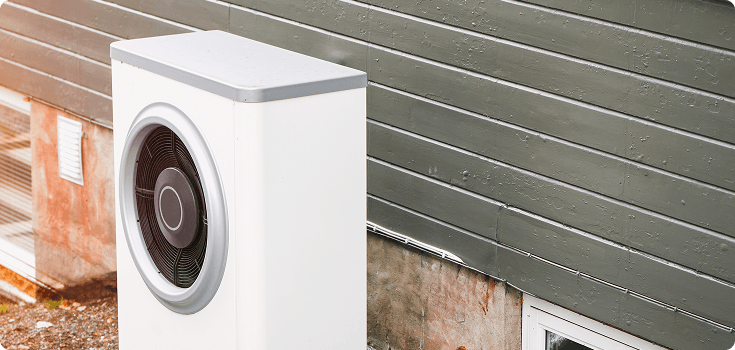
Geothermal heating and cooling systems use the stable temperature just below the earth’s surface to heat or cool your home. A geothermal heat pump transfers heat between your home and the ground through underground piping filled with fluid. In cooling mode, the system removes heat from indoor air and transfers it into the ground before circulating cooled air back into the home.
Long-term homeowners planning to stay in their home for many years, new construction projects, or those prioritizing maximum energy efficiency despite higher upfront installation costs.
Without a home warranty, the cost to install a new AC unit can reach up to $6,000 or more,* depending on several factors. Price varies based on the type and size of the unit, whether ductwork is required, and whether you’re installing additional equipment, like a heating system, at the same time.
Installation costs also differ widely. A window unit is likely far less expensive to install than a full central air system, which involves labor, materials, and potentially upgrades to existing infrastructure.
*Repair/replacement cost is the eightieth percentile as reported in a nationwide survey of homeowners conducted in 2024 by ClearVantage for American Home Shield.
Chill out with big savings when you replace your system through our New HVAC Program, exclusively available to AHS members.
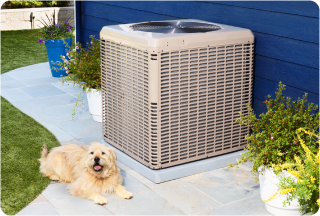
Getting a new AC unit is a major investment. With the American Home Shield® New HVAC Program, eligible members can leverage our national buying power to potentially save thousands* off typical retail pricing on a new HVAC system.
An independent contractor** provides a free in-home assessment and quote, helps you choose from trusted brands based on your home’s needs, and completes the installation. The result: a more efficient system, improved comfort, and a streamlined replacement process.
*Pricing and amount of savings will vary based on location and equipment availability. Not available in all areas.
**HVAC system upgrades are offered by Frontdoor Pro and performed by a Frontdoor Pro independent service contractor. For Frontdoor Pro license numbers, please visit Frontdoor Pro Licensing Information. Service may not be available in all areas.
While it's possible to install a window or portable AC unit yourself, installing a central AC system or ductless mini-split requires professional expertise. These systems involve electrical work, refrigerant handling, and ensuring proper airflow, which must meet building codes and safety regulations. It's recommended to hire a licensed HVAC professional to ensure the installation is done correctly and to avoid voiding the manufacturer’s warranty.
That’s where having the right support matters. American Home Shield connects members with independent, qualified Pros that help with covered repairs. And if they can’t repair an item, they’ll replace it. Plus, through the New HVAC Program, eligible members can receive a free in-home assessment and potentially access discounted pricing on installation, helping you move forward with confidence.
You’ve taken your time choosing the best AC system for your house. That’s why AHS is here to help make sure you install it correctly, helping ensure it performs the way it should for years to come.
See the plan agreement for coverage details, including service fees, limitations and exclusions. Coverage limits and charges for non-covered items may apply.
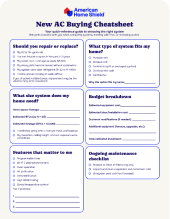
Demystify before you buy
Download this free, printable AC buying worksheet to help you feel prepared and stay organized through every step of the process.
Once your new AC is installed, protecting it comes down to consistent care and the right coverage. Start with simple maintenance habits:
And beyond maintenance? A home warranty plan is one of the best ways to protect your budget and ensure peace of mind in the face of covered AC breakdowns. American Home Shield® offers systems coverage that can extend to the major components of many air conditioning system, including wall units, ductless mini-splits, central electric split systems, packaged units, and even geothermal systems. When a covered component fails due to normal wear and tear, AHS will repair it. And if they can’t repair the covered item, they’ll replace it, subject to your plan’s terms, limitations, and exclusions. Plus, enjoy seasonal HVAC tune-ups to ensure that your system is in tip-top shape year-round.*
No matter how well you maintain your system, it can still break down. When you have coverage in place, it helps make your costs more predictable, and the repair process simpler.
*Tune-ups are available in the spring and fall for just $100 per unit with our ShieldSilver™, ShieldGold™ plans. One free tune-up per contract term is included in the ShieldPlatinum™ plan. HVAC Tune-up services are provided by Frontdoor® Pro. Current member? Please login to MyAccount to request service.
See the plan agreement for coverage details, including service fees, limitations and exclusions. Coverage limits and charges for non-covered items may apply.
Sources:
1 https://www.energy.gov/energysaver/room-air-conditioners
AHS assumes no responsibility, and specifically disclaims all liability, for your use of any and all information contained herein.
SEER2 (Seasonal Energy Efficiency Ratio) measures how efficiently an air conditioner cools your home over a typical season. The higher the SEER2 rating, the less energy the system uses to produce the same amount of cooling.
Efficiency matters because cooling is one of the largest energy expenses in many homes. A higher-efficiency unit may cost more upfront, but it can lower monthly utility bills over time, especially in warmer climates where the AC runs frequently.
Most AC systems last an average of 16 years, depending on maintenance, usage, climate, and installation quality. If your unit is over 15 years old, requires frequent repairs, or has declining efficiency, it may be time to consider replacement.
An HVAC Pro can evaluate your system and help determine whether repair or replacement makes more financial sense.
Through the American Home Shield New HVAC Program, eligible members receive:
Financing options may be available. Availability and pricing vary by location and equipment.

Deals delivered straight to your inbox
Sign up for AHS discounts & promotions.